
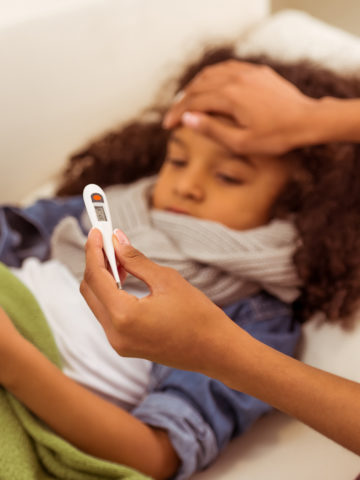
Cold and Fever in Children are very common health problems that many parents face. Children have developing immune systems, which makes them more vulnerable to infections. While most cases are mild and improve within a few days, parents should understand the causes, symptoms, and proper treatment methods to ensure their child stays healthy.
At Care Hospital, we provide the best treatement and expert pediatric care to help children recover quickly and safely from common illnesses like cold and fever.
What is Cold and Fever in Children?
Cold and Fever in Children usually occur when viruses enter the body and affect the respiratory system. The common cold is mainly caused by viruses that spread through the air or through contact with infected surfaces.
Fever is the body’s natural response to infection. When a child has a fever, it means their immune system is fighting against germs or viruses.
Most children experience colds several times a year, especially during seasonal changes.
Common Causes of Cold and Fever in Children
There are several reasons why Cold and Fever in Children occur. Understanding these causes helps parents take preventive measures.
Viral Infections
Most colds are caused by viruses such as rhinovirus, influenza virus, or respiratory syncytial virus.
Weather Changes
Sudden climate changes can weaken a child’s immunity and make them more prone to cold and fever.
Weak Immune System
Young children have developing immune systems, which makes it easier for infections to affect them.
Poor Hygiene
Not washing hands regularly or touching contaminated surfaces can spread viruses.
Contact with Sick People
Children often catch infections from schoolmates, family members, or crowded places.
Symptoms of Cold and Fever in Children
Parents should watch for early signs of Cold and Fever in Children. Some common symptoms include:
- Runny or blocked nose
- Sneezing
- Mild to moderate fever
- Cough
- Sore throat
- Body weakness
- Loss of appetite
- Irritability or tiredness
If symptoms continue for several days or become severe, it is important to consult a doctor.
At Care Hospital, our pediatric specialists carefully examine children and provide the right treatment for faster recovery.
Treatment for Cold and Fever in Children
Most cases of Cold and Fever in Children can be managed with proper care at home. However, medical guidance is important if symptoms worsen.
Give Plenty of Fluids
Children should drink plenty of water, soups, and warm liquids to stay hydrated.
Provide Proper Rest
Rest helps the body recover faster and strengthens the immune system.
Healthy Food
Nutritious food like fruits, vegetables, and warm meals helps improve immunity.
Maintain Hygiene
Frequent hand washing helps prevent the spread of infection.
Doctor Consultation
If fever is high or symptoms persist, parents should consult a pediatric doctor.
At Care Hospital, we provide expert medical care and advanced pediatric services to treat Cold and Fever in Children safely and effectively.
When Should Parents Visit a Doctor?
Although most colds are mild, some situations require medical attention. Parents should visit a hospital if:
- Fever lasts more than three days
- The child has difficulty breathing
- Severe cough develops
- The child refuses food or water
- There is unusual weakness or sleepiness
Getting early medical care ensures the child receives the right treatment and avoids complications.
Our doctors at Care Hospital provide compassionate and professional care for children of all ages.
Tips to Prevent Cold and Fever in Children
Prevention is always better than treatment. Parents can follow simple steps to reduce the chances of Cold and Fever in Children.
- Encourage regular hand washing
- Provide a balanced and nutritious diet
- Ensure children get enough sleep
- Keep children away from sick individuals
- Maintain clean surroundings
- Follow recommended vaccination schedules
These simple habits help protect children from common infections.
Home Care Tips for Children with Cold and Fever
When a child experiences Cold and Fever in Children, parents can follow some simple home care tips to help them feel better.
First, make sure the child gets plenty of rest. Rest allows the body to recover and fight infection more effectively. Second, provide warm fluids such as soup, herbal drinks, or warm water to soothe the throat and keep the child hydrated.
Using a humidifier in the room can also help reduce congestion and make breathing easier. Parents should keep the child comfortable and ensure they are dressed appropriately depending on the weather.
If symptoms continue or worsen, it is always recommended to seek professional medical advice from experienced doctors at Care Hospital, where children receive safe and reliable medical care.
One of the most important steps is keeping the child well hydrated. Drinking plenty of water, warm soups, and natural fruit juices can help maintain hydration and soothe the throat. Warm fluids also help loosen mucus and reduce throat irritation caused by coughing.
Rest is another essential factor in recovery. When a child rests properly, the body can focus on fighting the infection. Parents should ensure the child sleeps well and avoids physical strain during illness.
Maintaining a comfortable room environment is also helpful. The child’s room should be clean, well ventilated, and not too cold or too hot. Using a humidifier or placing a bowl of warm water in the room can help reduce dryness in the air and make breathing easier.
Parents should also monitor the child’s temperature regularly. If the fever increases or lasts for more than a few days, it is important to seek medical advice. Mild fever can often be managed at home with proper care and guidance from healthcare professionals.
Another helpful home care tip is to encourage light and nutritious meals. Foods like vegetable soups, soft rice, fruits, and warm milk provide energy and essential nutrients that support the immune system. Healthy nutrition plays an important role in helping the body recover from Cold and Fever in Children.
Good hygiene practices are also necessary to prevent the infection from spreading to other family members. Parents should remind children to wash their hands frequently, cover their mouth while coughing or sneezing, and avoid sharing personal items like towels or utensils.
At Care Hospital, doctors recommend these simple home care practices to help manage mild symptoms safely. However, if the child experiences persistent high fever, difficulty breathing, severe cough, or extreme weakness, parents should immediately consult a doctor for professional medical care.
Providing the right home care along with timely medical attention ensures that children recover quickly and stay healthy.

Parents should also make sure the child’s nose remains clear to help them breathe comfortably. If a child has a blocked nose, gentle steam inhalation under parental supervision can sometimes help loosen mucus. Saline nasal drops recommended by a doctor can also help reduce nasal congestion and improve breathing.
Another important home care tip is to keep the child warm and comfortable. During episodes of Cold and Fever in Children, the body may feel weak and sensitive to temperature changes. Dressing the child in light and comfortable clothing helps regulate body temperature and prevents discomfort.
Parents should also pay attention to the child’s daily routine during illness. Reducing screen time and allowing the child to rest quietly can help them recover faster. Reading storybooks, listening to calm music, or simply resting in bed can keep the child relaxed while the body heals.
Maintaining cleanliness in the home environment is equally important. Frequently touched surfaces such as toys, tables, and doorknobs should be cleaned regularly to prevent the spread of germs. Washing the child’s hands before meals and after playing helps reduce the chances of infection spreading to other family members to Cold and Fever in Children.
Another helpful approach is monitoring the child’s appetite. It is common for children to eat less during illness, but parents should encourage small and frequent meals. Soft foods that are easy to digest can help maintain energy levels and support the immune system during recovery.
Parents should also keep a close eye on any changes in the child’s symptoms. If the fever suddenly rises, the cough becomes severe, or the child becomes unusually tired, it is important to seek medical attention immediately. Early diagnosis and treatment can prevent complications and ensure faster recovery.
At Care Hospital, experienced pediatric doctors guide parents on how to manage mild cases of Cold and Fever in Children at home while also providing professional medical support when needed. The hospital focuses on child-friendly care and provides the best treatement to ensure every child receives proper medical attention.
With the right combination of home care, hygiene, nutrition, and timely medical consultation, most children recover from cold and fever without complications. Parents play an important role in observing symptoms and providing a comfortable environment that supports healing and overall well-being.
Importance of Proper Diagnosis
Sometimes the symptoms of Cold and Fever in Children may look similar to other illnesses such as flu, throat infections, or allergies. Because of this, proper diagnosis by a qualified doctor is important.
Doctors usually check the child’s temperature, throat condition, breathing, and other symptoms before recommending treatment. In most cases, medication and supportive care help children recover within a few days.
At Care Hospital, pediatric specialists carefully examine each child and provide the best treatement according to their condition.
Role of Nutrition in Recovery
Nutrition plays a very important role in helping children recover from Cold and Fever in Children. When a child becomes sick, the body needs extra energy and nutrients to fight infections and restore strength. Providing healthy and balanced food can support the immune system and help the child recover faster.
One of the most important nutrients during illness is Vitamin C. Foods rich in Vitamin C, such as oranges, lemons, guava, and strawberries, help strengthen the immune system and support the body in fighting viruses that cause cold and fever. Including fresh fruits in the child’s daily diet can make a big difference in their recovery.
Warm and easily digestible foods are also beneficial when children experience Cold and Fever in Children. Soups, soft rice, boiled vegetables, and light meals help provide essential nutrients without putting pressure on the digestive system. Warm food also helps soothe the throat and makes the child feel more comfortable.
Protein is another essential nutrient for recovery. Protein helps repair body tissues and build strength. Foods like eggs, milk, yogurt, lentils, and soft cooked beans are good sources of protein for children during illness. These foods provide energy and support the body’s healing process.
Hydration is equally important during recovery. Fever can cause dehydration, so children should drink plenty of fluids such as water, warm milk, fresh fruit juices, and vegetable soups. Staying hydrated helps regulate body temperature and supports the body’s natural healing process.
Parents should also avoid giving children junk food, oily snacks, or very cold drinks during illness. These foods may irritate the throat and slow down recovery. Instead, focusing on fresh, nutritious meals helps improve immunity and speeds up healing.
At Care Hospital, pediatric specialists often guide parents on proper nutrition for children who are recovering from Cold and Fever in Children. The right diet combined with proper rest and medical care can significantly improve the recovery process.
Providing a balanced diet rich in vitamins, minerals, and proteins not only helps children recover from illness but also strengthens their immune system for the future. Good nutrition ensures that children grow strong, healthy, and better protected against infections.
Long-Term Health Protection for Children
Protecting children from frequent illness requires consistent care and healthy lifestyle habits. Parents should ensure that their children receive proper vaccinations, maintain balanced nutrition, and follow daily hygiene practices.
Regular health checkups are also important because they help doctors monitor a child’s growth and detect health issues early. Preventive healthcare plays a major role in reducing the risk of infections like Cold and Fever in Children.
Care Hospital encourages parents to bring their children for regular pediatric checkups to ensure healthy growth and development.
Protecting children’s health in the long term requires consistent care, healthy habits, and regular medical guidance. While illnesses such as Cold and Fever in Children are common, parents can reduce the chances of frequent infections by focusing on preventive healthcare and healthy lifestyle practices.
One of the most important steps in long-term health protection is building a strong immune system. Children who eat nutritious food, get enough sleep, and stay physically active are better able to fight infections. A balanced diet that includes fruits, vegetables, whole grains, dairy products, and protein-rich foods helps the body stay strong and healthy.
Regular physical activity also plays an important role in maintaining good health. Encouraging children to participate in outdoor activities such as playing, walking, or light sports helps improve their physical fitness and supports proper growth and development. Physical activity also improves circulation and strengthens the immune system.
Proper sleep is another key factor in protecting children from illnesses like Cold and Fever in Children. Children need adequate sleep to allow their bodies to recover and maintain healthy body functions. Lack of sleep can weaken the immune system and increase the risk of infections.
Vaccination is also essential for long-term protection. Vaccines help protect children from several serious diseases and strengthen their immunity against infections. Following the recommended vaccination schedule ensures children receive the protection they need at the right time.
Maintaining good hygiene habits is another important step in preventing illnesses. Teaching children to wash their hands regularly, cover their mouth while coughing or sneezing, and keep their surroundings clean can significantly reduce the spread of infections.
Regular health checkups are also very important for children. Routine visits to a doctor help monitor a child’s growth, identify potential health problems early, and provide timely treatment when needed. Preventive healthcare ensures children stay healthy and develop properly.
At Care Hospital, pediatric specialists focus on preventive care and long-term health protection for children. The hospital provides professional medical support, regular health checkups, and the best treatement to ensure every child receives high-quality healthcare.
Parents play a vital role in maintaining their child’s health by encouraging healthy habits and seeking medical guidance whenever necessary. With proper nutrition, hygiene, vaccination, and regular checkups, children can grow stronger and stay protected from common illnesses.
Focusing on long-term health protection not only reduces the risk of Cold and Fever in Children but also supports overall physical and mental development. By creating a healthy environment and following preventive healthcare practices, parents can ensure their children enjoy a healthier and happier future.
Final Words
Every parent worries when their child becomes sick, especially with Cold and Fever in Children. However, with proper care, hygiene, and timely medical attention, most children recover quickly without complications.
Understanding the causes, symptoms, and treatment methods helps parents take the right steps to protect their child’s health. If symptoms persist or become severe, visiting a trusted healthcare provider is always the best decision.
At Care Hospital, we are committed to providing compassionate care and the best treatement for children. Our experienced medical team ensures that every child receives the right care in a safe and comfortable environment.
Children are more likely to catch infections because they often interact closely with others in schools, playgrounds, and daycare centers. Cold and Fever in Children can spread quickly in these environments when one infected child coughs or sneezes near others. Tiny droplets containing viruses can travel through the air and be inhaled by nearby children.
Another common way infections spread is through shared objects. Children frequently share toys, books, water bottles, and stationery. If a child with a cold touches these items, viruses may remain on the surface for some time. When another child touches the same object and then touches their face, the virus can enter the body and cause illness.
Direct contact is also a major factor in spreading infections. Activities like holding hands, hugging, or playing together can transfer germs from one child to another. Because young children often touch their face, nose, and mouth without washing their hands, viruses can easily spread among them.
Poor hand hygiene further increases the risk of Cold and Fever in Children. Children may forget to wash their hands before eating or after using the restroom. Without proper hand washing, germs remain on the hands and quickly spread to other surfaces or people.
Seasonal changes also contribute to the spread of infections among children. During colder months or rainy seasons, children tend to spend more time indoors in crowded spaces. This makes it easier for viruses to move from one person to another.
Parents and teachers play an important role in preventing the spread of these infections. Teaching children to cover their mouth while coughing or sneezing, washing hands frequently, and avoiding close contact with sick individuals can significantly reduce the spread of viruses.
At Care Hospital, doctors emphasize the importance of hygiene, proper nutrition, and regular health checkups to protect children from illnesses such as Cold and Fever in Children. Early awareness and preventive care help keep children healthy and reduce the chances of infections spreading within families and schools.